A good wet shave feels unhurried, deliberate, and clean in a way canned foam and mystery multi-blade heads never quite deliver. The water opens the hair, the lather cushions, the blade shears rather than scrapes. You finish without that muffled sting that comes from dragging plastic over skin. If your only experience is a hurried once-over with a cartridge in the shower, building a proper kit can seem like a maze. Walk into a well stocked shaving store and you will see dense soaps from Italy, bright aftershaves from Spain, German steel, Japanese steel, an aisle of brushes that look similar at first glance but behave very differently after ten uses.
The goal here is simple. Put together a first kit that works right away, learn the sequence that keeps skin calm and stubble honest, then decide where you want to get fancy. I have taught teenagers to shave before school concerts and forty-year-olds who were ready to stop fighting razor burn. The advice below reflects the stuff that prevents frustration and the details that actually matter.
The five things you must have on day one
If you buy only five items, start with these. You can upgrade or expand later, but this core set will get you a comfortable, safe shave on your first try.
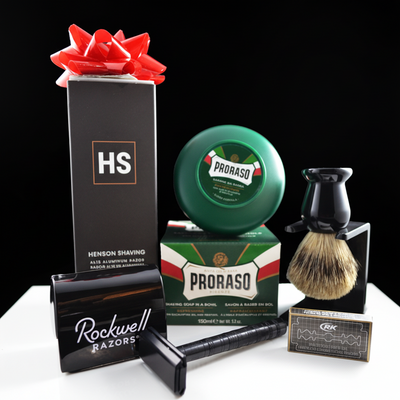
- A mild double edge safety razor with a closed comb A synthetic shaving brush in the 24 to 26 mm knot range A reliable tallow or vegan shaving soap puck or a cream known for easy lather A sample pack of double edge blades from at least three manufacturers An alcohol-free post-shave balm or plain unscented moisturizer
Everything else is helpful, but this combination keeps cost sensible, technique focused, and skin calm. A bowl can be any ceramic mug from your kitchen. A towel is already in your bathroom. If you want a scented splash later, start with witch hazel first and learn how your skin behaves.
Choosing a razor that forgives, but still teaches
Your razor does two jobs. It sets the angle that puts steel to whisker, and it meters how much blade you feel. Most beginners do best with a closed comb safety razor that has a modest blade gap. The gap number varies by brand, but if you stick with a reputation for mild to medium - Merkur 34C, Edwin Jagger DE89, Henson Mild, Rockwell on plate 2 to 3 - you will be able to make small mistakes without blood tax.
Cartridge and disposable razor options still have a place. If you travel constantly, a disposable razor is low risk at airport security and does not mind being tossed in a dopp kit wet. You trade control for convenience. Those heads are designed to flex and pivot, which helps when you shave at odd angles in a hotel sink, but the multiple blades can lift and cut hair below the surface. That is how you get ingrowns on necks with tight curls. If that is you, a single blade safety razor solves more problems than it creates.
Straight razors are another path entirely. They demand stropping before every shave, and honing now and then. The learning curve is steeper, the ritual deeper. If you want to try a straight razor in Canada, do not buy a cheap stainless brick that arrives dull. Look for a honed, shave ready carbon steel blade from a reputable vendor that explicitly says it has been professionally honed. Many Canadian retailers partner with local honemeisters, and several barber supply store counters stock strops and pastes alongside straight razors. If you are on the fence, a shavette - a straight style handle that takes half a double edge blade - shows you the angle and visibility benefits without the maintenance. It is also less forgiving of heavy hands, so go slow.
Blades are not generic, and skin tells you what to keep
The stamped sliver of steel in a safety razor does more than slice. Coatings change glide. Grind changes how the edge feels after two shaves. In practice, most faces find a comfortable match within three or four brands. Feather cuts very cleanly but can punish pressure. Astra and Personna often hit the sweet spot between keen and kind. Gillette’s various factories produce blades that feel distinct in otherwise identical razors.
This is why a sample pack belongs in any starter kit. Use each brand for two or three shaves in the same razor, with the same soap, and pay attention to two questions. Did I need extra buffing on the jawline to get close, and did my neck feel warm or bumpy an hour later. If you need four passes to cut through and your face is still smooth to the touch afterward, switch to a sharper blade. If you are getting weepers despite a light touch, step milder. Keep notes for a week. You will have a favorite sooner than you expect.
The brush does real work, even if it looks like a prop
People like to argue about fibers. From a purely functional standpoint, a modern synthetic brush solves most problems for a first timer. It dries fast, it builds lather with less product, and you do not need to break it in. If you enjoy a bit of tradition and can tolerate a week of scratch before the tips soften, a boar brush is inexpensive and excellent for loading hard triple milled soaps. Badger feels luxe on the face and holds heat well, but a quality knot costs far more and not every budget needs it to get a good shave.
Scale matters too. A 24 to 26 mm knot, set with a medium loft, gives enough backbone to load soap easily without feeling like a paint roller. If your sink area is small, a smaller knot keeps lather off the mirror and onto your face. When you rinse, flick out as much water as you can and let it dry bristles down. Trapped moisture breeds funk in any fiber.
Soap, cream, and how to tell when lather is right
The difference between a decent shave and a delightful shave often comes down to lather quality. That hinge point is hydration. You want slickness and cushion without big, airy bubbles. Dense yogurt beats fluffy meringue every time.
Classic hard soaps last longer and cost less per shave but need a steadier hand while loading. Creams are fast, intuitive, and almost impossible to mess up. Tallow offers a certain heft and post-shave feel, vegan formulas have caught up in glide. Scent is personal. If your skin runs sensitive, start with simple options like unscented, sandalwood, or light citrus.
Here is a simple, repeatable routine to dial it in.
- Wet the brush, shake it twice so it is damp, not dripping. Load the soap for 20 to 30 seconds with firm, short swirls until paste forms on the tips. Build lather in a bowl or on your face, adding a teaspoon of water in two or three small additions. Stop when the brush leaves glossy, low peaking trails, not big bubbles. Paint a final layer to even out density, then shave.
If your razor skips or you feel tugging, add a touch more water next time. If lather slides off your face before you start shaving, you added too much.
Preparing your face is half the shave
Whiskers absorb water slowly. Give them a fair chance. I tell clients to shave after a shower, or to press a hot, wet towel to the beard for a full minute if they are starting dry. A pea sized amount of light pre-shave product can help slick the surface, but you do not need it to get an excellent result. What you must do is map your grain. Rub your hand over your face and neck. On many men the cheeks grow down, the jawline toward the mouth, the neck in swirls. Your first pass goes with the grain, not whichever way is convenient.
If your beard is dense, you can smuggle in a useful cheat. Set an electric trimmer with a guard and knock the growth down to stubble before you wet shave. This is not sacrilege. It is how you avoid loading a fresh blade with three days of tug.
The first shave, without unnecessary drama
Stand comfortably. Keep your wrist quiet and move from the elbow. Bring the razor to your face at about 30 degrees. Think of shaving the lather, not scraping skin. Your skin should feel the cap and the guard along with the edge, not the edge alone.
For the first pass, shave with the grain everywhere, including the neck, and rinse in cool running water between strokes so the channel stays clear. Re-lather. A second pass across the grain will pick up most of what remains. If your whiskers lie flat on the neck, stop there on the first week. The jawline is the booby trap for new wet shavers. Stretch the skin lightly by making an odd chewing motion or planting a finger above what you are shaving. You create a flat canvas and get fewer nicks.
Chasing baby smooth perfection on day one is a bad bargain. A close, comfortable shave you repeat every other day will take you there faster than aggressive heroics once.
Aftercare that calms the skin instead of punishing it
Rinse with lukewarm water to remove lather, then splash cool water. If you own a block of alum, wet it and run it lightly over shaved areas. It will tell you where you used too much pressure by stinging more in those spots. Rinse again. Witch hazel without alcohol tightens slightly without drying. If you like a splash with alcohol, treat it as a treat, not a medicine. Follow with a balm or a light moisturizer. Your skin, not the bathroom air, should hold the water you added in the shower and with the lather.
A styptic pencil lives in the cabinet for the rare nick. Dab, do not rub. It will stop bleeding quickly and looks chalky for a minute. If you shave before work, give yourself an extra five minutes the first week so you are not dashing out the door with small specks of tissue on your face.
Maintenance, hygiene, and learning from barbers
A clean tool is a kind tool. After each shave, loosen the safety razor head a quarter turn, rinse under hot water to flush soap from the threads, and pat dry. Blades last between three and seven shaves depending on beard coarseness. If it starts to tug, bin it. A coin bank sized blade safe or even an empty blade tuck keeps used edges contained until you can recycle them properly, which some municipalities accept and some do not. Ask rather than guess.
A straight razor, if you go that route, needs a few passes on a leather strop before every shave, and a light touch with a finishing hone or pasted strop every few months depending on use. Keep the spine on the strop and roll on the spine when you flip. This is one of those skills that clicks on the tenth attempt, not the first.
Borrow one habit from your local barber supply store standards. Disinfect what touches skin. At home, that means a periodic soak of your safety razor head in warm water with a drop of dish soap to break down film, and a wipe of brush handles. Do not boil or bleach brushes. For travel, tuck your brush in a ventilated tube and dry it out of the kit at night. A sealed wet brush smells like a locker after two days.
Where to shop and what to skip
A dedicated shaving store typically curates gear that plays well together, and the staff can match your skin and beard to a razor and soap with a few questions. A general barber supply store leans into durability, bulk consumables, and pro friendly brands. That is handy when you want large bottles of witch hazel or alum blocks that last a year. Many shaving company websites run sample programs or travel sizes, which is a smarter way to explore scents than committing to a 150 gram puck you might not love.
If you are shopping for a straight razor in Canada, verify the seller’s return and honing policy. Look for phrases like factory edge refined by a professional or shave ready, and ask who did the work. A good vendor lists steel type, grind, and scale material, not just a glamour photo. For safety razors, pay attention to whether they take standard double edge blades or proprietary heads. You want universal blades. They cost pennies and let you tune your shave.
Skip huge starter kits packed with ten products you will never use. Your skin does not need pre-shave oil, then a heavy scented soap, then a stingy splash, then a thick balm on top every morning. Layering makes sense in dry climates and winter, but you learn more, faster, by changing one variable at a time.
Budget ranges that make sense
You can put together a reliable, comfortable kit for less than the price of a dinner out. As of this year, a mild safety razor sits around 40 to 90 dollars, a good synthetic brush lands at 20 to 40, a quality soap or cream runs 10 to 30 and lasts months, and a blade sample pack costs the price of a couple coffees. Post-shave balms vary widely. Do not let the packaging seduce you. A fragrance free drugstore moisturizer often soothes better than a boutique splash if your skin is reactive.
If you want to splash out, target upgrades that change feel, not shelf appeal. A razor with interchangeable plates lets you switch from a daily mild setting to a weekend close setting. A scuttle keeps lather warm on winter mornings. A premium badger brush is all about sensory pleasure. None of those are required to get a superb shave.
Common problems, and what actually fixes them
Razor burn on the neck usually comes from shaving against the https://www.facebook.com/theclassicedgeshavingstore/ grain too soon or using pressure to chase closeness. Back off to two passes, with the grain then across, for a week. Let the skin recover. If you still get heat, try a smoother blade in the same razor, and check your lather hydration. A slicker, slightly wetter lather often solves stubborn drag.
Ingrown hairs along the jawline show up when hair is cut below skin level or shoved sideways by a multi blade head. A single blade safety razor and a no against the grain rule on the neck reduce them. Between shaves, a gentle chemical exfoliant, like a salicylic acid toner two nights a week, keeps follicles clear without scrubbing.
Weepers around the chin most often signal angle drift. When you round the curve, the cap of the razor lifts and the edge digs. Tuck the chin slightly to stretch the skin, lighten your grip until the handle almost wobbles, and lead with the cap. If you have a goatee zone you plan to keep, define lines with short, downward strokes rather than trying to do it in one swoop.
Dry, tight skin after shaving comes from over stripping oils. Hot water, a high pH soap, and an aggressive astringent will do that. Use warm, not hot, water. Choose a shaving soap designed for glide rather than a bath bar. Swap any alcohol heavy aftershave for witch hazel followed by balm. Two days later you will feel the difference.
When to consider a straight or something more aggressive
Once you have three to four comfortable weeks under your belt, you can start tuning for preference. If you have a light beard and shave daily, you might never need more than a mild closed comb. If you skip days and want a two pass close on a coarse beard, an open comb or a razor with a larger blade gap can speed the job. Respect the learning curve. More blade feel teaches discipline and punishes laziness.
A straight razor calls if you enjoy ritual and want total control over angle and exposure. I keep a stainless straight for travel and a carbon favorite at home. The latter sings on the strop and on the face, and it asks that you show up. On mornings with a toddler banging on the bathroom door, the safety razor wins.
A final word on ritual and rhythm
What you buy matters, but how you move matters more. People come to wet shaving for cost savings or old school charm and stay because the results are consistently better. A mild safety razor, a brush that loads easy, a soap that lathers without fuss, a blade your skin likes, and a simple balm is a professional grade setup. Buy those from a trusted shaving company or the nearest barber supply store, and you have a foundation most barbers would approve of. The rest is practice. Two weeks from now you will feel the change, two months from now you will wonder why you ever settled for less.